 Recently a few people have been asking me about my opinion on self-therapy. Self-therapy is when a person decides to attempt to fix their problems on their own without any assistance from a mental health professional (defined as a person who provides therapy as their profession). When it comes to the intentions behind self-therapy, I can find nothing to object to, as it is a desire for self-improvement and self-improvement is virtuous activity. However, self-therapy is still a path fraught with obstacles and potential dangers. While I could compile a longer list of potential pitfalls for those attempting self-therapy, I have decided to focus on three in particular here. I have chosen these three because, when considering what skills one needs to have in order to succeed at self-therapy, these three are probably the most valuable:
1. Self-honesty
2. A willingness to experience emotional pain/discomfort
3. Self-consciousness
Unfortunately, these are not common traits to have by chance alone. If you are missing just one of these traits, then self-therapy is going to be a pointless or even counter-productive exercise no matter how hard you try. Continue reading
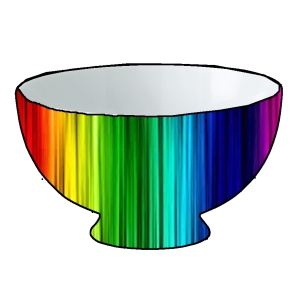 Imagine an ordinary porcelain bowl sitting on a table in front of you. There’s nothing special about this bowl. It is plain without any distinguishing features. There are thousands, if not millions, of bowls like this in the world. They are useful, one can put rice in it, a salad, water, fruit or any other number of things. Despite it being useful, it would be odd if anyone missed it should it fall to the floor and smash to pieces. The bowl has utility, but it doesn’t have value. One day a tattoo artist was feeling bored and decided to paint an original and intricate art work depicting Norse gods from an epic saga. Now something peculiar has happened: the bowl that was once so ordinary that its destruction would have been inconsequential has gained a new quality: value. It’s still just as useful as a bowl, but now it requires more protection, care, and respect. This bowl that was once so ordinary could now sit comfortably in a museum or an art gallery. It has become important not just because of its usefulness for holding objects, but because it has acquired a value through the beautiful art work now inscribed on it. People are similar, they can be useful, but they have a value that extends beyond their utility. Surprisingly enough, an incomplete understanding of these terms can actually lead to suicidal thoughts.
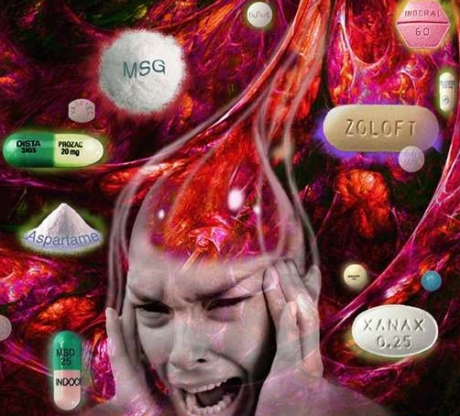 While one often comes across articulate and well-argued articles criticising anti-depressants from a medical or efficacy point of view, one seldom comes across the philosophical argument against anti-depressants. It was, in fact, the philosophical case against anti-depressants that convinced me as a teenager that I would never, ever take them for myself, a decision that has been beneficial to me ever since.
 When asked what the most important component of mental health is my first three answers are honesty, honesty, and honesty. More specifically, I am talking about self-honesty, honesty about other people, and honesty to other people. However, the biggest challenge in any relationship is to be completely honest with another person. The feeling of “walking on eggshells” around someone close to you is so common that it’s hard to find anyone who does not relate to being too scared to be open and honest with someone close to them. Why is honesty such a big deal? Why is honesty so hard? How can honesty improve one’s life? How can honesty improve one’s relationships?
 Philosophical Therapist